Research Team
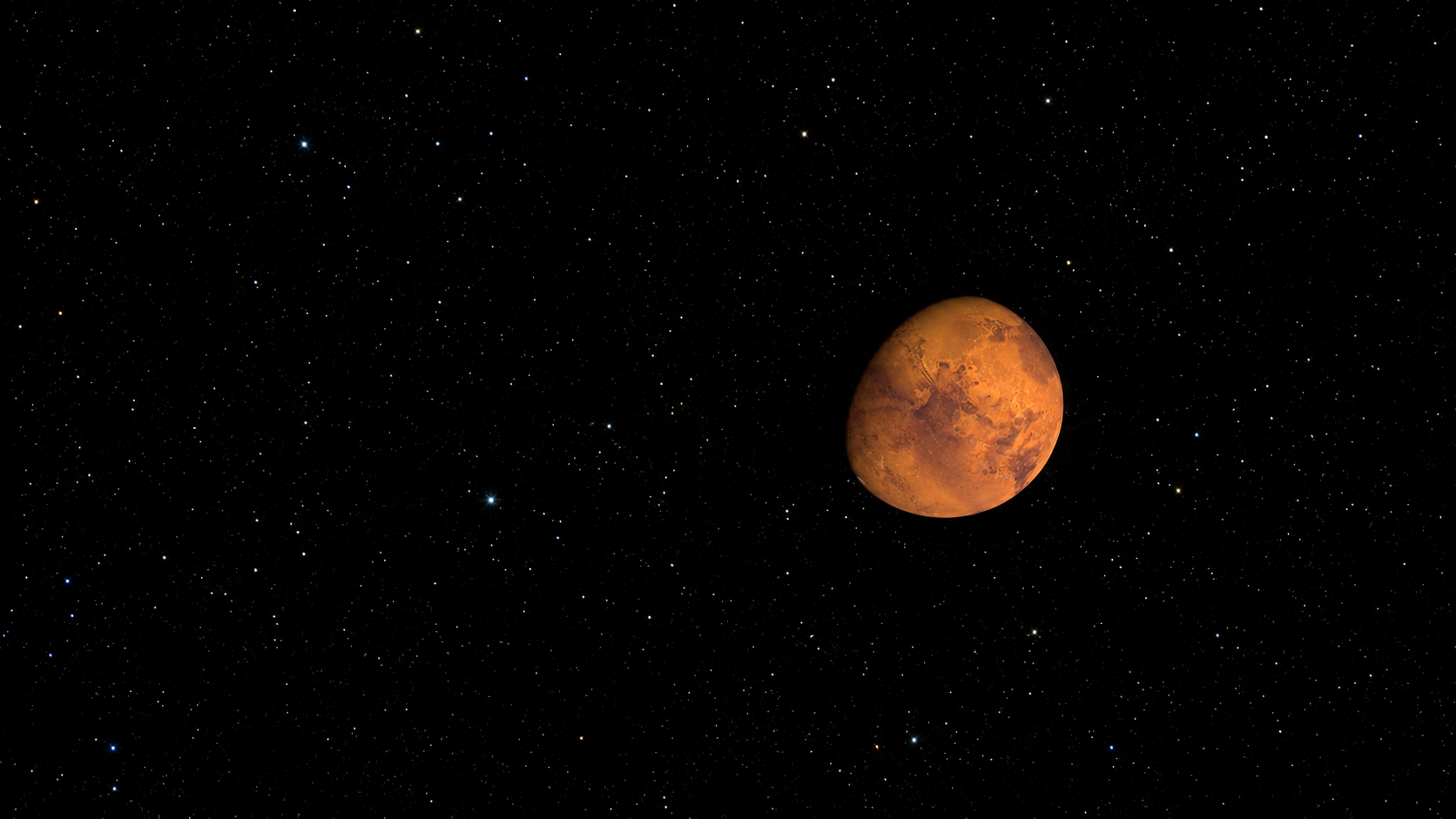
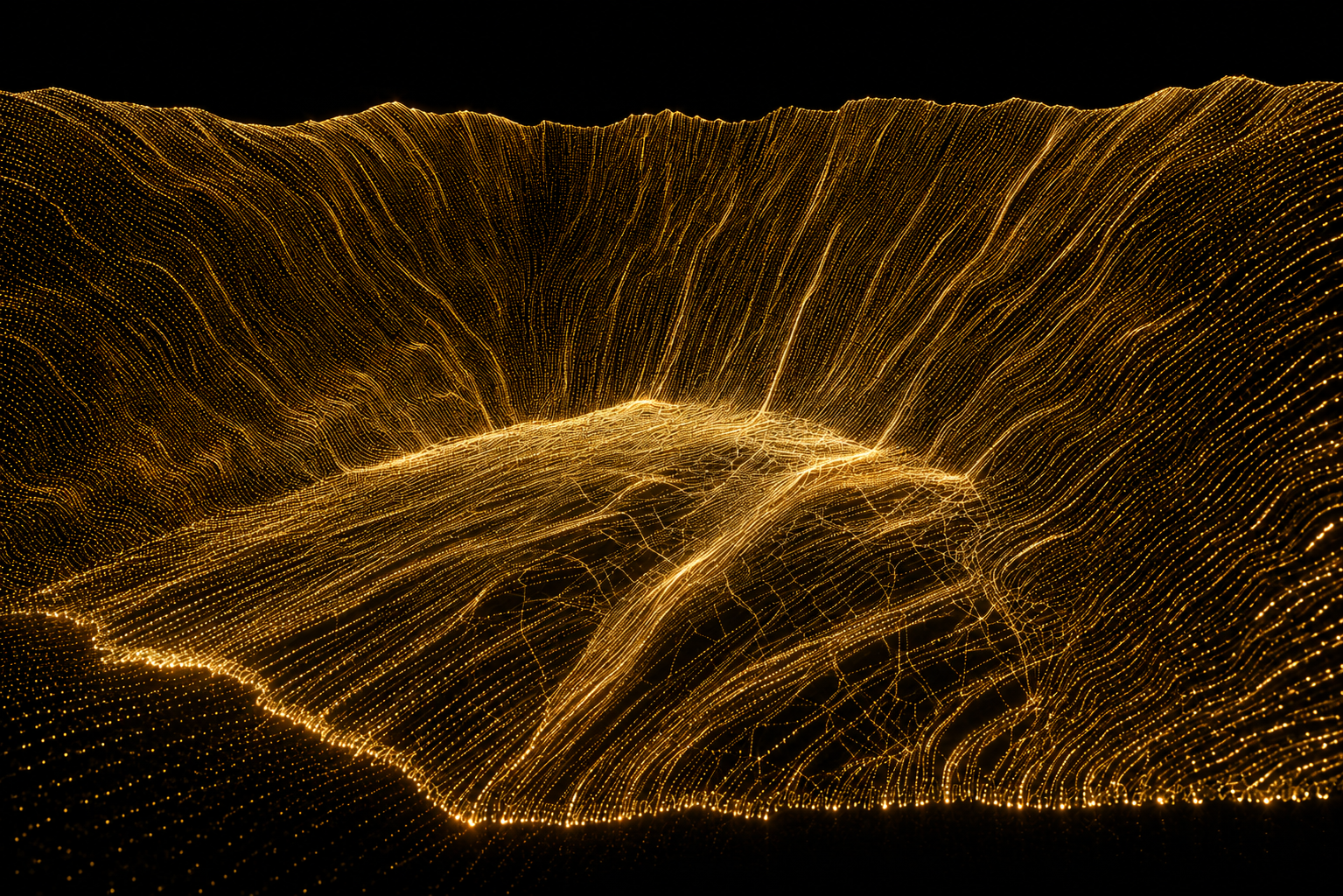
Magnaforma is a collaboration between artists, engineers, computer scientists, and researchers investigating how agentic AI, robotics, and human imagination might converge to encounter and interpret unknown worlds. Led by artist-engineer Shawn Brixey, the project investigates how curiosity-driven artificial intelligence and robotic systems might creatively interpret, imagine, and physically explore the surface of Mars. Felipe Fronchetti leads robotics integration and autonomous systems development, creating the frameworks that connect intelligent decision-making, simulation, and robotic execution. Lily Holliday directs software development, building the Unity-based visualization, simulation, and mixed reality pipeline that transforms planetary terrain data into expressive robotic movement, spatial drawing, and immersive augmented reality experiences. Together, the team explores how intelligent systems encounter the unknown, constructing their own pathways through unfamiliar worlds and, in the process, expanding our understanding of exploration, imagination, and new ways of knowing.

Shawn Brixey
Artist, scientist, engineer, and educator, Brixey's work explores the convergence of art, artificial intelligence, robotics, extended reality, and the pursuit of new forms of knowledge. He is Professor of Arts and Engineering at Virginia Commonwealth University and a graduate of the Massachusetts Institute of Technology. His work has been exhibited and presented internationally, including projects associated with Documenta, the Olympic Games, the Smithsonian Institution, and the European Capital of Culture.
Working at the intersection of creative practice and scientific inquiry, Brixey develops systems that transform data into new forms of perception, experience, and understanding. His research has been supported by the National Endowment for the Arts, National Science Foundation, Rockefeller Foundation, Apple, Intel, Adobe, Hughes Aircraft, and ABB Robotics. He currently leads Magnaforma, an NEA-funded initiative that uses AI, robotics, and planetary data to explore the unknown, translating the landscapes of Mars into new forms of human imagination, embodiment, and discovery.
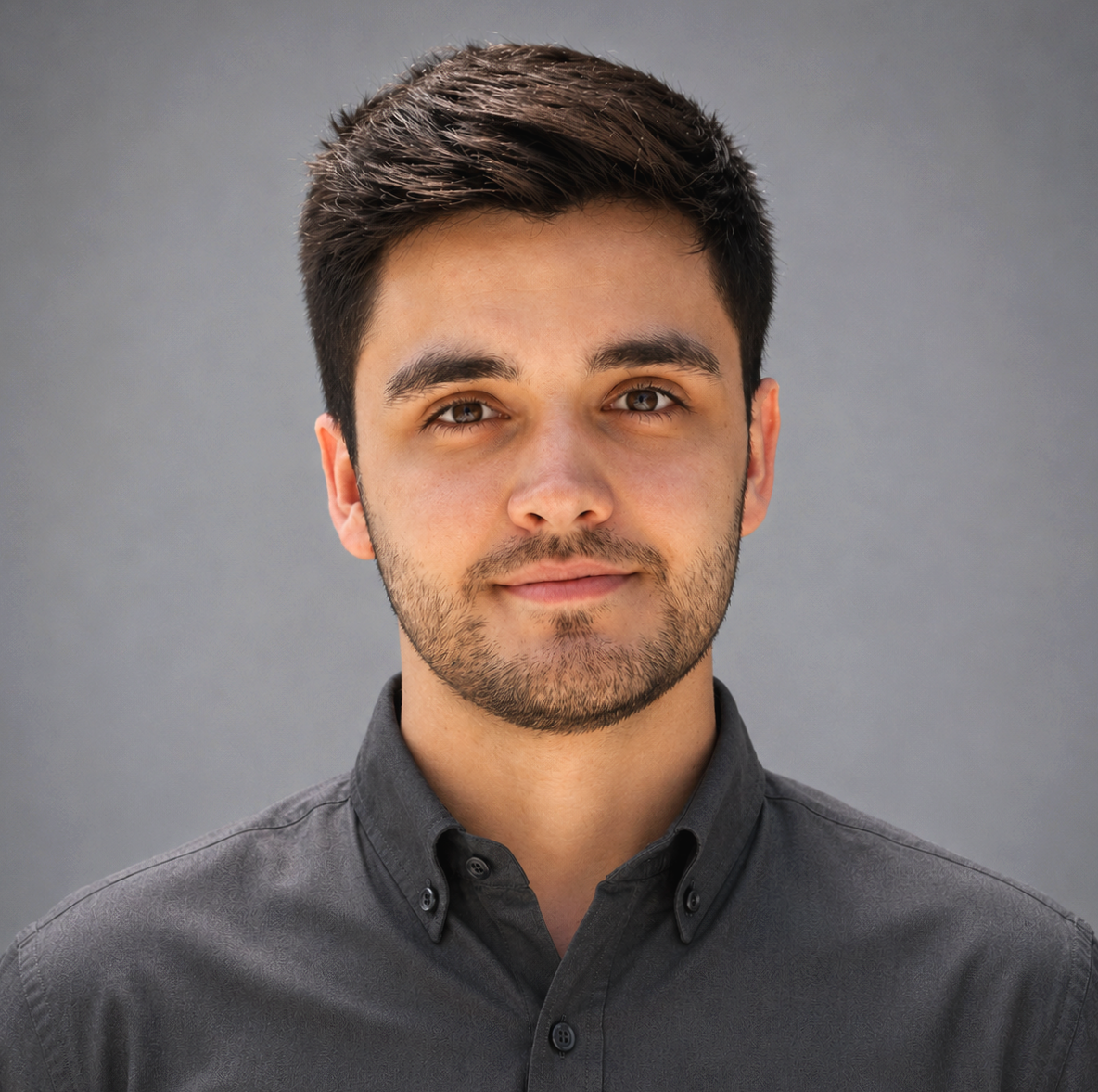
Felipe Fronchetti
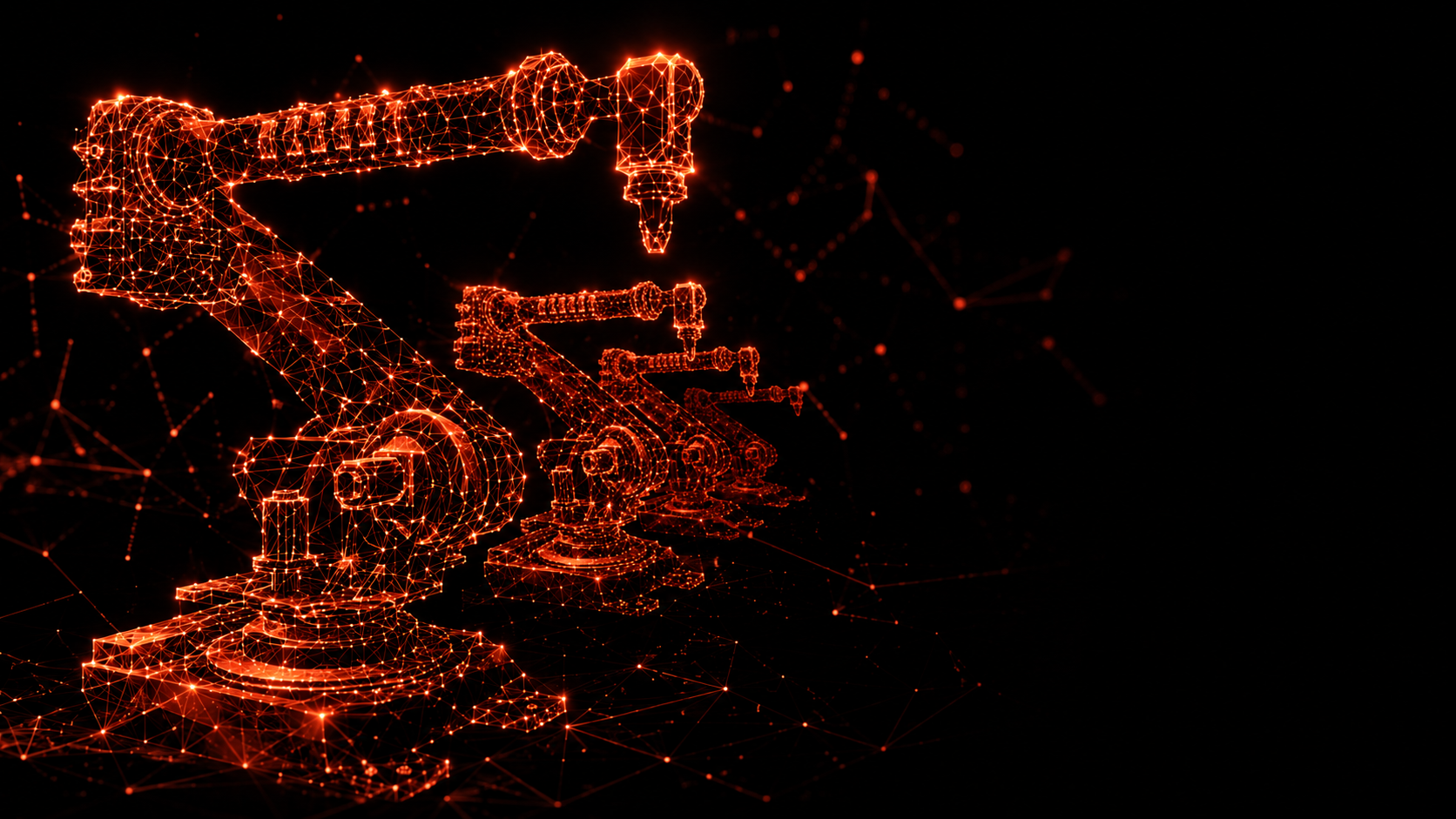
Software engineer, roboticist, and educator, Dr. Felipe Fronchetti explores how people—including students—learn, program, and collaborate with intelligent machines.
He is an Assistant Professor of Computer Science at Louisiana State University, where his research integrates software engineering, robotics, artificial intelligence, and extended reality to create more intuitive and expressive human-machine systems. His work spans robot programming, multimodal interfaces, mixed reality, conversational agents, and virtual reality for complex procedural training. By combining software systems research with human-centered design, Fronchetti develops immersive technologies that make advanced robotics and intelligent systems more accessible across research, education, healthcare, and manufacturing.

Lily Holliday
An undergraduate student at Louisiana State University, Lillian is studying computer science with a concentration in software engineering.
She works as a research assistant in Dr. Felipe Fronchetti’s lab, contributing primarily as a designer. As Director of Software Development for Magnaforma, she develops the Unity-based software that allows the robot render in 3D space, allowing Mars terrain data to be interpreted as expressive gestural mark-making. By integrating with the team that manages terrain analysis, robotic path planning, mixed reality visualization, and real-time control systems, she is helping to create an immersive environment where audiences can experience agentic AI processes as autonomous and creative spatial drawings.
Her interests include artificial intelligence, robotics, and the intersection or art, design, science and engineering.

Cardin Tran
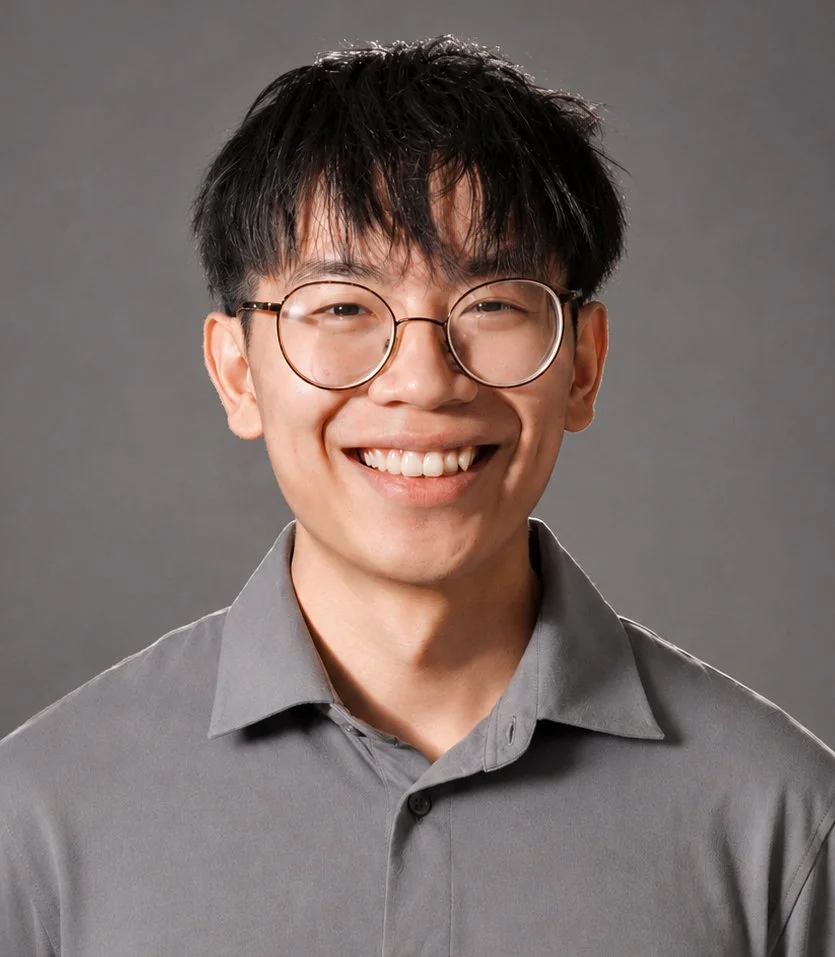
An undergraduate student at Louisiana State University, Cardin is studying computer science with a concentration in software engineering and a minor in robotics engineering. He works as a research assistant in Dr. Felipe Fronchetti’s lab, focusing on ROS 2 development and intelligent robotic systems.
His research explores the integration of artificial intelligence and computer vision with robotic systems, with an emphasis on enabling robots to understand their surroundings, interpret high-level commands, and translate those commands into physical actions. Through ROS 2, he is interested in developing systems that connect perception, AI-driven decision-making, and real-time robot control to support increasingly autonomous robotic behavior.
His interests include ROS 2, artificial intelligence, computer vision, autonomous robotics, and the development of intelligent systems that bridge AI reasoning with the physical world.